
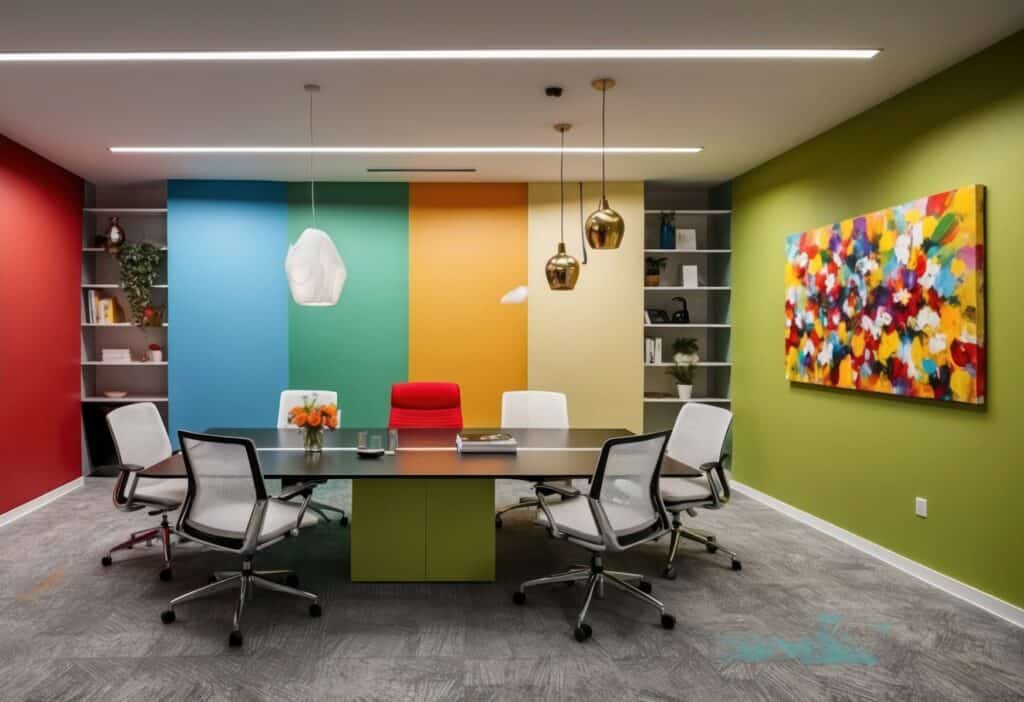
How Office Colors Boost Employee Productivity
The design of an office goes far beyond furniture placement and layout. One of the most powerful yet often overlooked tools for enhancing workplace performance is color. The colors used in an office environment can significantly influence employee mood, creativity, focus, and overall productivity. Understanding the psychology of color allows organizations to create spaces that energize employees and promote efficiency.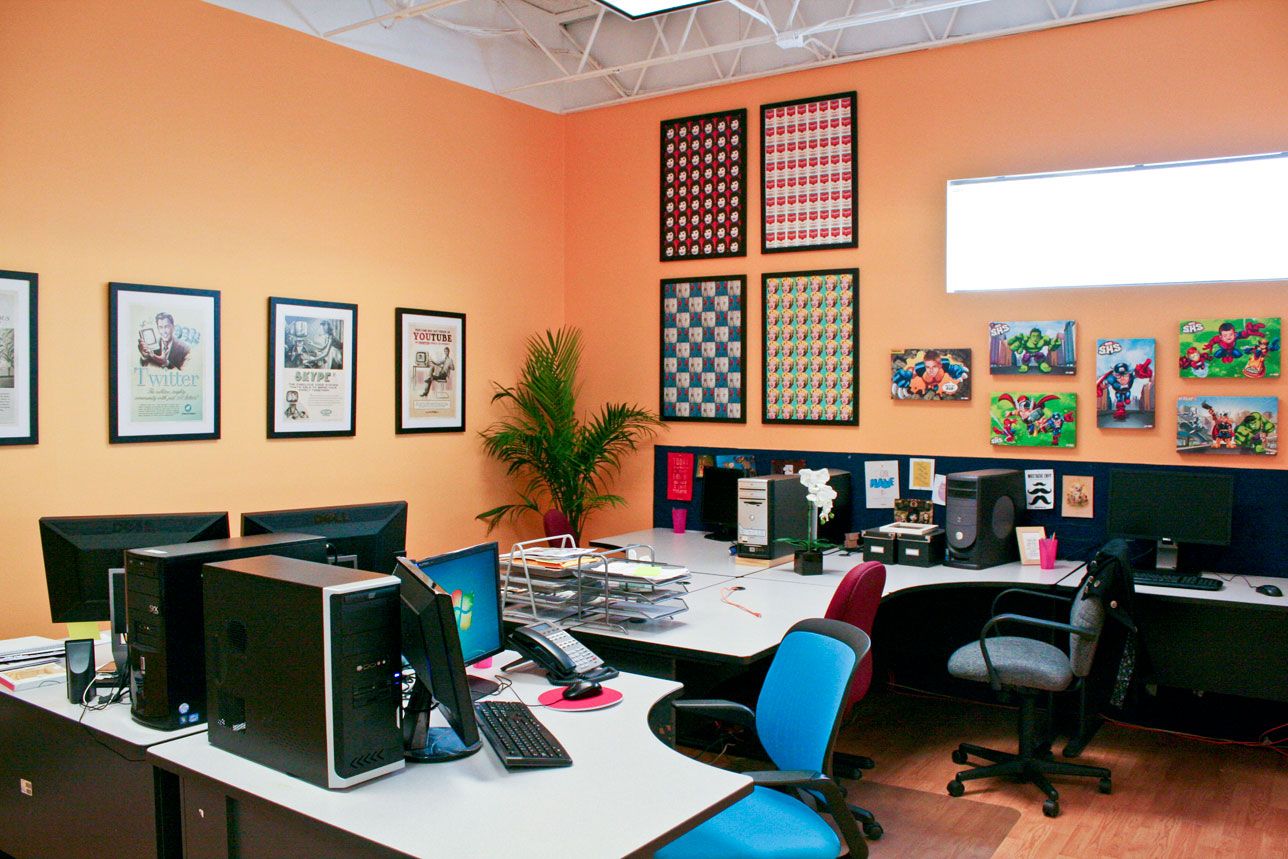
The Psychology of Color in the Workplace
Colors evoke emotions and physiological responses. When used strategically, they can inspire motivation, reduce stress, and even improve decision-making. Every hue has unique effects on the human mind and body, which makes office color selection an essential aspect of workplace design.Blue Encourages Focus and Calmness
Blue is often associated with trust, calmness, and stability. It has a soothing effect, reducing stress and helping employees maintain focus. Offices that require concentration, such as research, accounting, or IT departments, benefit from blue tones to support clear thinking and attention to detail.Green Promotes Balance and Creativity
Green is linked to nature and harmony. It provides a calming effect while also stimulating creativity and problem-solving. Incorporating green into offices—through walls, accents, or plants—can help employees feel refreshed and reduce eye strain, especially in spaces with long hours of screen work.Yellow Sparks Optimism and Innovation
Yellow is bright, energetic, and uplifting. It stimulates optimism and creativity, making it ideal for brainstorming rooms, innovation hubs, or marketing teams. However, too much yellow can cause anxiety, so it’s best used as an accent color rather than a dominant shade.Red Energizes and Motivates
Red is a color of passion, energy, and urgency. It can boost alertness and encourage quick action, making it suitable for areas where physical activity or short-term motivation is needed. In contrast, overuse in calm-focused spaces may lead to agitation, so balance is key.Orange Encourages Collaboration
Orange combines the energy of red with the cheerfulness of yellow. It’s stimulating without being overwhelming and encourages interaction and communication among team members. Orange is excellent for meeting rooms or communal areas where teamwork is essential.Neutral Colors Provides Stability
Neutral shades like white, gray, or beige create a clean and professional backdrop. They help balance more vibrant accent colors and prevent overstimulation. Neutral tones are particularly effective in offices that require focus or serve as multi-purpose spaces.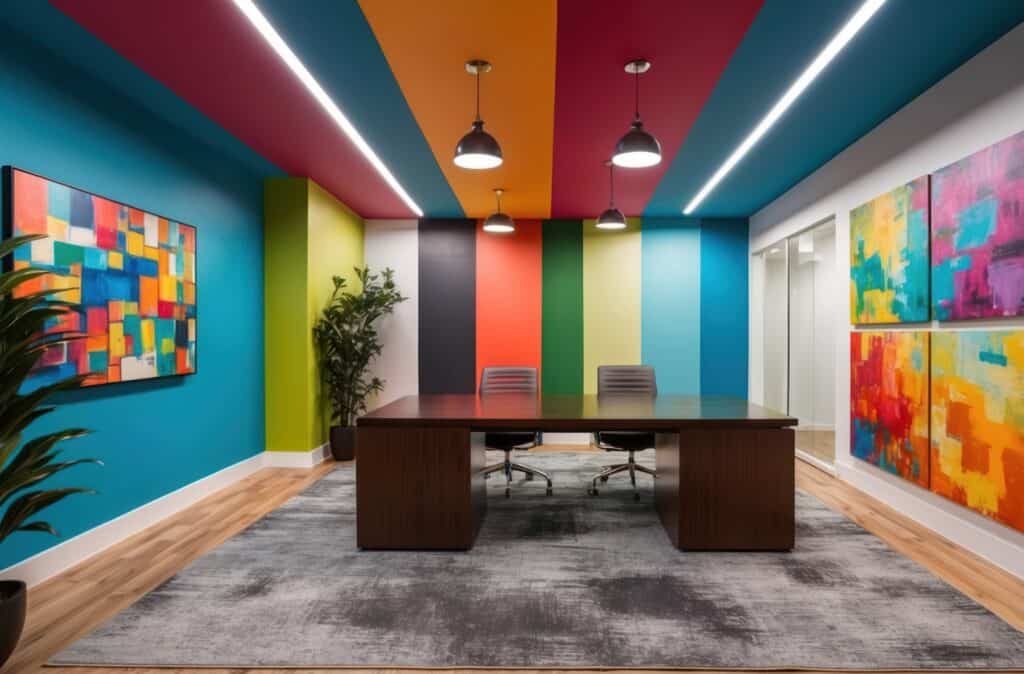
Practical Tips for Implementing Office Colors
- Use accent walls: Instead of painting an entire room a bold color, use accent walls or décor to introduce energizing tones.
- Match colors to function: Align the color scheme with the purpose of each workspace, calming blues for focus areas, vibrant yellows for creative spaces.
- Incorporate natural elements: Adding plants or wood accents complements colors like green and enhances overall well-being. Consider lighting: Natural and artificial lighting affects how colors appear, so test color choices under the office’s lighting conditions.
Benefits of Color Optimized Offices
- Enhanced Productivity: Employees are more focused and efficient in environments tailored to their tasks.
- Improved Mood and Morale: Colorful, well-designed spaces create positive emotions and reduce workplace stress.
- Boosted Creativity: Stimulating colors encourage innovative thinking and problem-solving.
- Better Employee Retention: Pleasant work environments contribute to job satisfaction, lowering turnover rates.